
Lifecycle Assessment Study Compares Emissions of Electric and Conventional Vehicles in Minnesota
September 22, 2026 | Emmy Curtiss, M. Moaz Uddin and Gabrielle Olson | Education
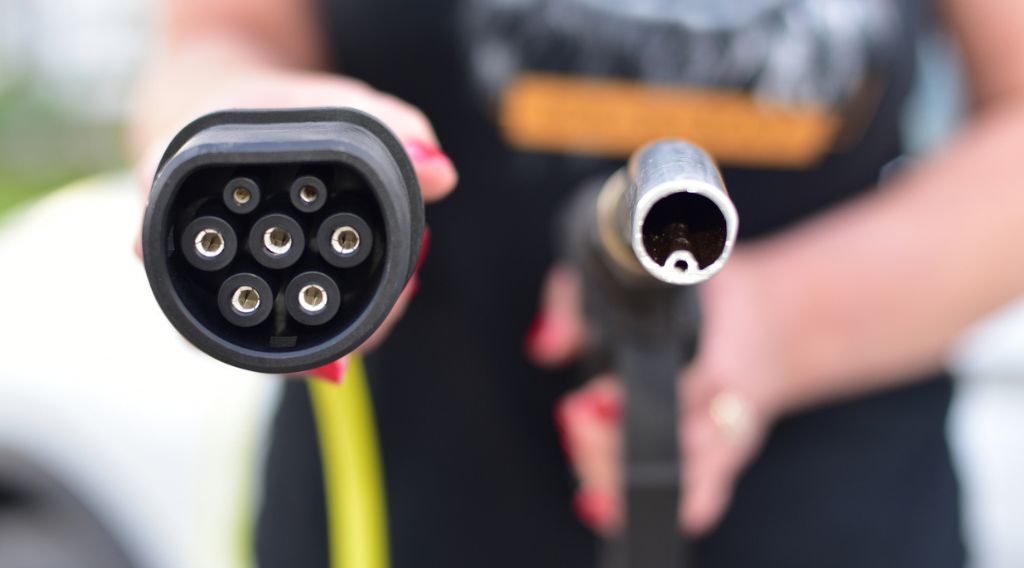
The Great Plains Institute developed a fact sheet visualizing the findings from a comprehensive lifecycle assessment study that analyzes and compares the lifecycle greenhouse gas (GHG) emissions of electric vehicles (EVs) and gas cars in Minnesota (GPI facilitates Drive Electric Minnesota). This fact sheet is based on findings from a comprehensive study conducted for various vehicle body styles manufactured and driven across the US.
Here are our findings:
- EVs in Minnesota consistently produce up to half of the greenhouse gas emissions produced by gas cars from a lifecycle perspective, even with today’s electric grid and technology.
- When EVs are powered by and manufactured using clean electricity and use recycled battery components, they result in up to 90 percent fewer emissions over their lifetimes compared to gas cars.
- While producing EV batteries creates emissions, fueling the vehicle has much lower emissions than gas cars, leading to lower total emissions over the life of the vehicles.
Access the study and learn more about GPI’s findings: Lifecycle Emissions Study: EVs vs. Conventional Vehicles.
The analysis builds on a previous study conducted by Drive Electric Minnesota that found that, on average, EVs are up to 88 percent less greenhouse gas-intensive than gas cars when charged using 100 percent renewable electricity. The latest analysis uses the updated GREET lifecycle assessment model and includes comparisons between EVs and gas cars across six different vehicle body styles.
This analysis aims to inform policy decisions, guide consumer choices, and advance sustainable transportation solutions.
The lifecycle assessment study of EV vs. conventional vehicle emissions
The lifecycle assessment compares emissions under two scenarios: a baseline scenario and a clean grid and recycled batteries scenario.
Baseline scenario: The scenario is based on present technology and the current carbon intensity of the electric grid in Minnesota, meaning the emissions created during the production of electricity are included in the emissions associated with EVs. Most emissions emitted during an EV’s lifecycle come from electric generation based on today’s electric grid, which includes renewable sources like solar and wind, but also fossil fuel-based generators like coal and natural gas plants. In Minnesota, specifically, about 33 percent of the electricity is assumed to be generated from renewable sources, 23 percent is derived from nuclear and biomass sources, and 45 percent is derived from fossil sources including oil, coal, and natural gas. The analysis also assumes EV components are not recycled at the end of their life, and all battery ingredients for new EVs are sourced by mining virgin materials.
Clean grid and recycled batteries scenario: This scenario incorporates Minnesota’s commitment to 100 percent clean energy production and assumes that 20 percent of ingredients for EV batteries are recycled.
We compared the lifecycle emissions for EVs with similar gas cars for various vehicle body styles.
Download the fact sheet
Access the fact sheet that visualizes our findings for Minnesota here:
Download factsheetShare this post


