
Revised tool helps EV charging station site hosts examine the impact of taxes and fees
April 8, 2026 | Katelyn Bocklund | Policy
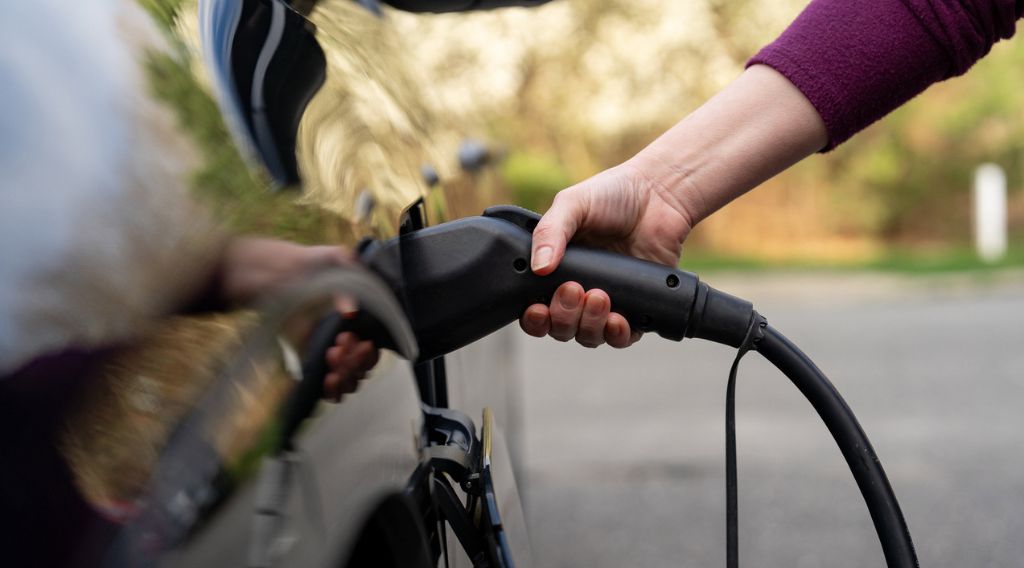
In 2019, the Great Plains Institute (facilitator of Drive Electric Minnesota) examined the factors that impact direct current fast charger (DCFC) revenue and created a calculator built on that research. The research found that DCFC revenue most depends on three key factors:
- The cost of electricity rates, including energy (total kilowatt hours per month) and demand (monthly peak kilowatts)
- Charger utilization (number of charging sessions per day)
- Charger payments (fees paid by customers to use the charger)
Other factors, such as capital and annual maintenance costs, and revenue from secondary retail, also affect station revenue.
While originally developed to estimate the break-even point for DCFC stations, the calculator can also be used to estimate Level 2 charger revenue. To estimate potential revenue from a Level 2 charger, users can set the station power level to a lower amount, such as 7 kW (the default is 150 kW).
Recently, GPI updated the calculator to help charging station hosts estimate the impacts that new taxes and fees will have on charger revenue—taxes like the one Minnesota legislators passed in 2025 that will introduce an excise tax on DCFC above 50 kW beginning in 2027. The annual inspection fees ($100 per port per year) assessed on all chargers will also impact revenue.
While Drive Electric Minnesota actively works to repeal, or at least reduce, the public charging excise tax, we hope that GPI’s calculator can serve as a useful planning tool for current and prospective charging station site hosts. Knowing how these new taxes and fees can impact station revenue will give planners useful data to assess cost-cutting measures elsewhere. For example, site hosts could work with their electric utilities to identify ways to reduce electricity costs, such as modifying rate structures or using battery storage to reduce peak demand.
If your organization will be affected by the new taxes and fees on public chargers in Minnesota, and you’d like to work with us to address them, please reach out via email.
Share this post


