
Driving Change: Recapping the 2025 Drive Electric Minnesota Annual Event
December 3, 2025 | M. Moaz Uddin and Katelyn Bocklund | Events
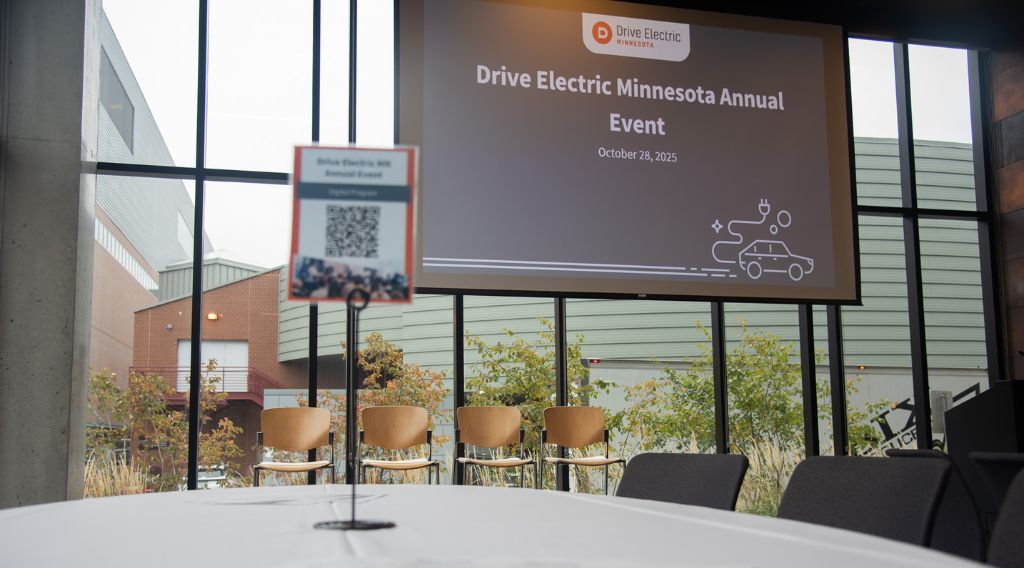
On October 28, 2025, Drive Electric Minnesota members and supporters came together for our annual event, a day that underscored the growing momentum behind transportation electrification and the collaborative spirit fueling this transition.
The day started with an array of fascinating tours . Participants experienced innovation firsthand through tours of Metro Transit’s electric bus operations, the University of Minnesota’s bike-friendly campus, and the University of Minnesota’s Human Factors Safety Laboratory testing autonomous vehicle technology. These experiences showcased how vehicle electrification and autonomy are not just concepts but a reality taking shape across Minnesota.
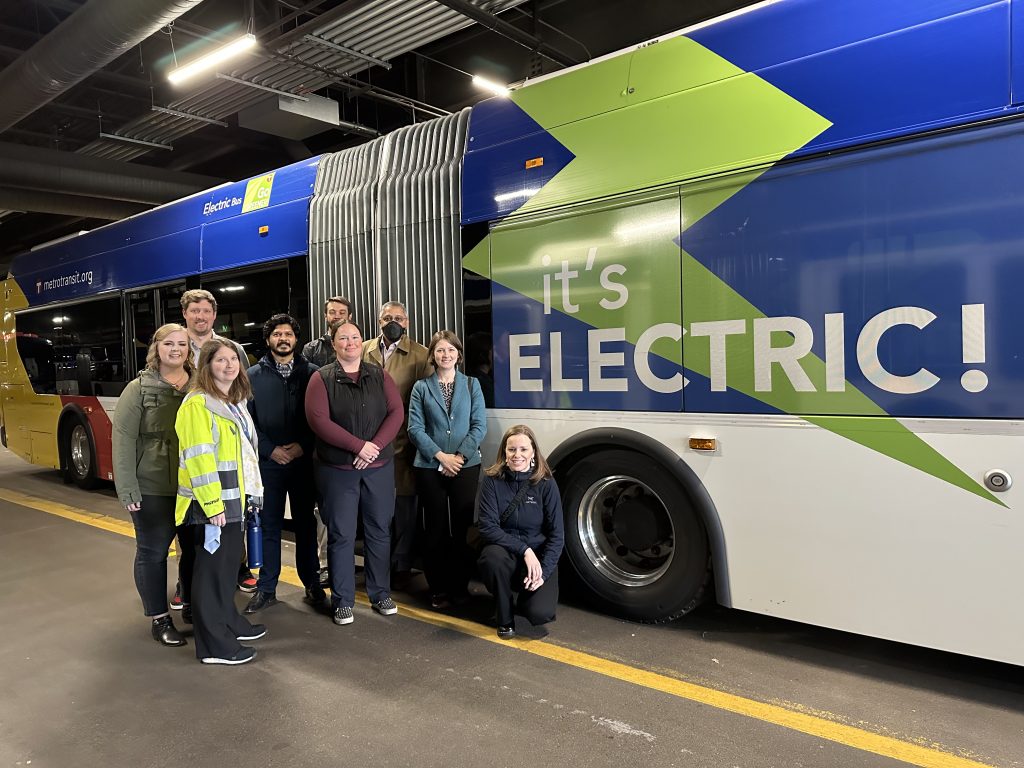
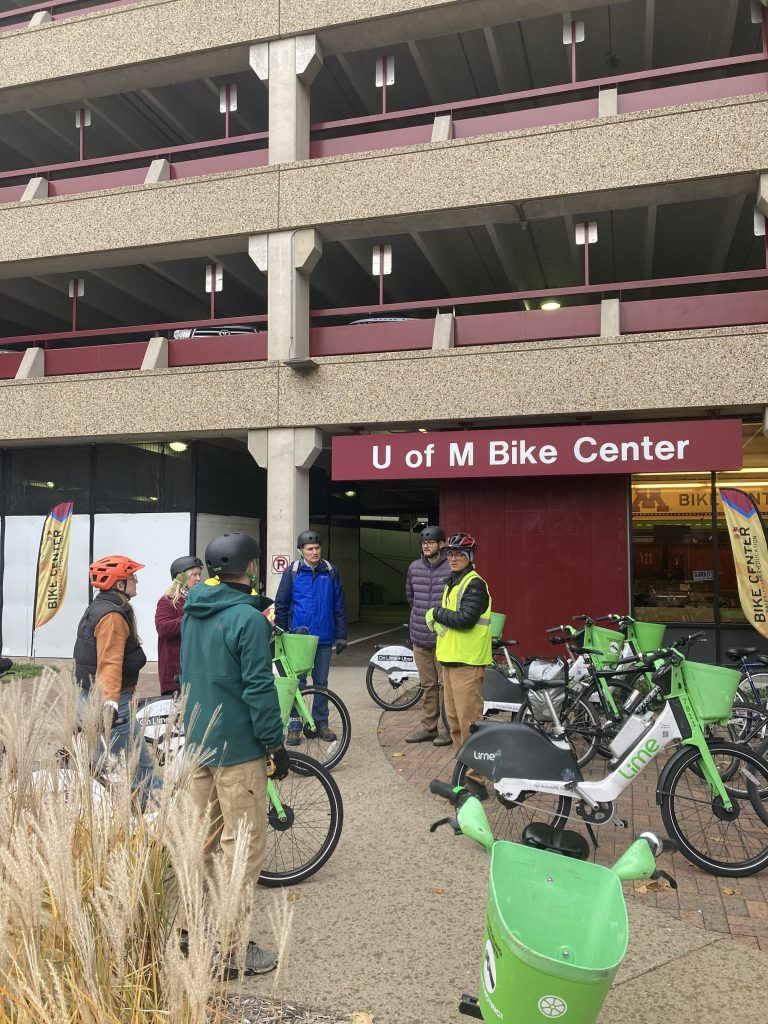
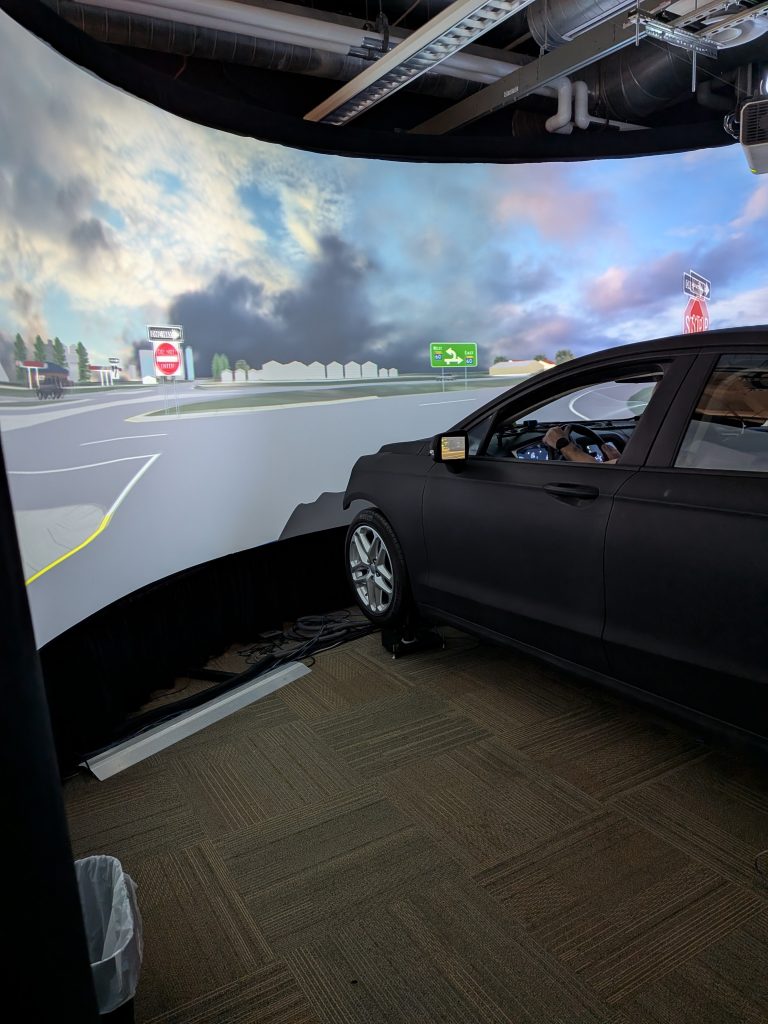
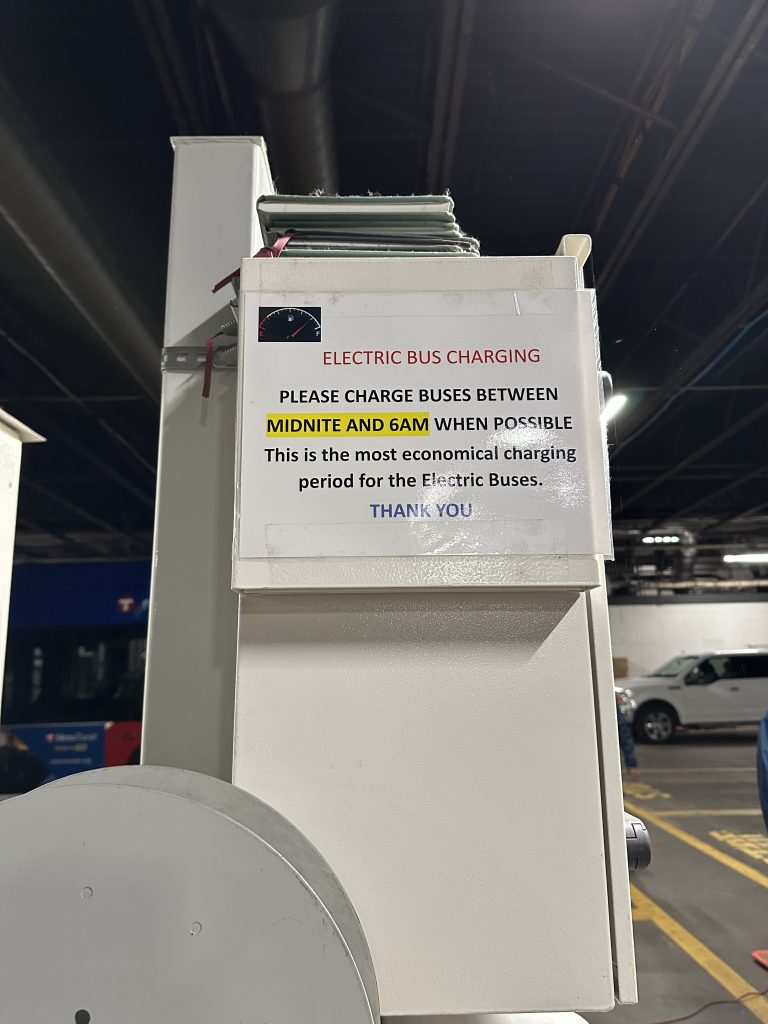
The tours were followed by an event program that included a keynote presentation, panel discussions, networking opportunities, and breakout groups, allowing participants to engage in thought-provoking discussions.
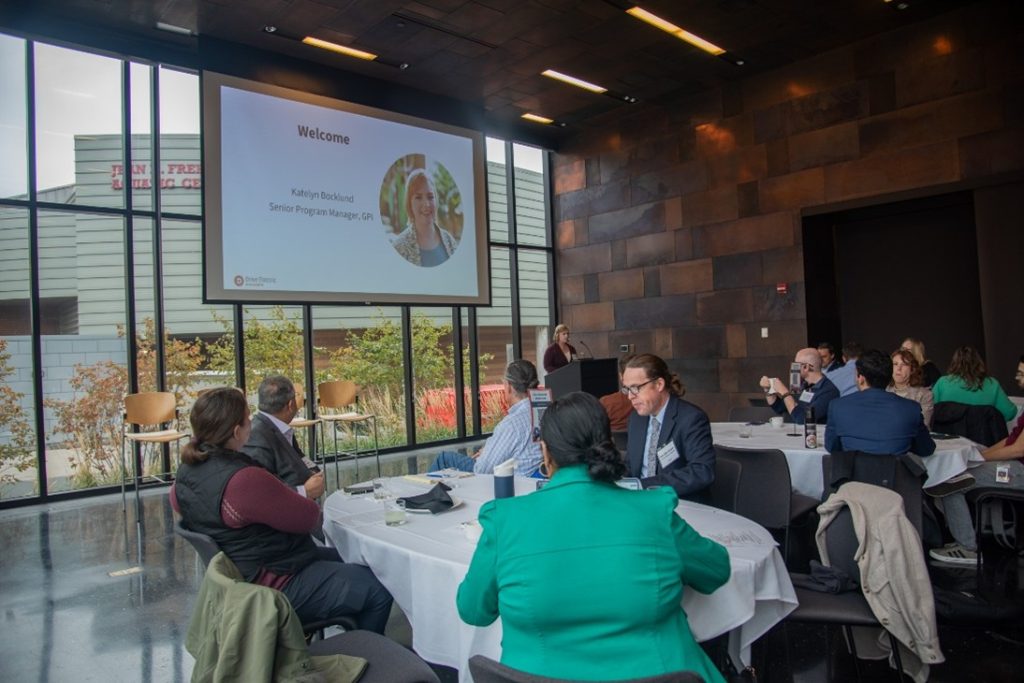
Katelyn Bocklund, Senior Program Manager at the Great Plains Institute, welcomes attendees to the event.
The meeting centered on big-picture themes shaping Minnesota’s electric future. Conversations explored equity in electrification, market readiness, and the policies needed to accelerate adoption.
Munni Krishna from Veloz kicked the event off with a keynote speech that highlighted the organization’s national The Way Forward is Electric EV education program.
Munni Krisha introduced the Electric for All EV education program, the largest national EV education program by Veloz.
Following the keynote presentation, the event featured two dynamic panels that brought together voices from across the EV ecosystem, including auto dealers, fleet operators, legislators, and advocates, to unpack the challenges and opportunities ahead.
The State of the EV Market Panel focused on the practical realities of scaling adoption. Panelists emphasized the importance of inventory turnover, noting that EVs must sell within 75 to 90 days to remain financially viable for an auto dealership. Panelists also discussed how EVs can serve as mobile power units, contributing to grid resilience, and highlighted the growing but still limited used EV market. Affordability emerged as a key barrier, especially for medium- and heavy-duty fleets, where upfront costs and infrastructure needs remain high.

The State of the EV Market Panel discussed strategies to scale EV adoption in Minnesota.
The Legislative Panel offered a candid look at the policy landscape shaping Minnesota’s transportation future. Legislators emphasized the importance of expanding the focus beyond light-duty vehicles to include transit electrification, which is crucial for ensuring access and economic opportunity for everyone.
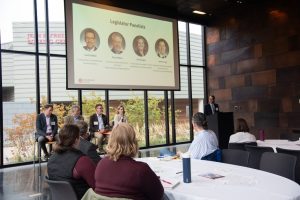
Minnesota legislators reiterate their commitment to a clean transportation future for Minnesota.
A recurring message emerged from the panel discussions: collaboration across sectors is critical to prepare for the next wave of electrification in Minnesota. Participants noted that there is value in EV advocates across the spectrum coming together at events like the one hosted by Drive Electric Minnesota to work collaboratively.
After the panel discussions, attendees broke into thematic roundtable discussions, allowing them to delve deeper into specific topics, such as consumer education, medium- and heavy-duty electrification, grid readiness, and more. Collectively, these discussions generated actionable insights and fostered cross-sector collaboration. They also revealed a shared urgency to align infrastructure, policy, and planning with the accelerating pace of transportation electrification:
- The grid planning group emphasized the need for granular forecasting and proactive upgrades, citing low enrollment in managed charging programs and proposing manufacturer-integrated solutions to simplify participation.
- The electrifying medium- and heavy-duty vehicles group highlighted the logistical and financial hurdles faced by fleets, especially in rural areas, and stressed the importance of clear communication with utilities to avoid costly misaligned investments.
- The EV charging reliability group shared concerns about charger reliability and highlighted opportunities to improve data sharing across consumer-facing platforms.
- The EV messaging and education group discussed different strategies to increase awareness about EVs and move the needle on EV adoption. Strategies included making charging more visible through better road signage, hosting events to showcase EVs, and using unified and consistent EV messaging.
Across all groups, participants called for improved data tools like hosting capacity maps, more interagency coordination, and a focus on scalable, return-to-base operations to build momentum. The overarching message was clear: strategic collaboration and targeted investment are essential to unlocking Minnesota’s electrified transportation future.
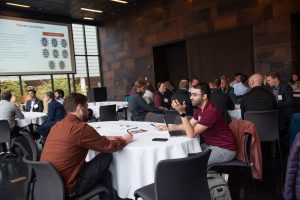
Attendees broke out into small groups for focused discussion on a variety of pertinent topics related to transportation electrification in Minnesota.
This year’s meeting was more than a milestone; it was a launchpad for action. By aligning policy, infrastructure, and education, we’re building the foundation for a cleaner, more connected transportation future.
Join Drive Electric Minnesota today to become part of the effort!
Share this post


