
Recapping Powering Communities: Advancing Affordable Electric Mobility in Minnesota and the Midwest
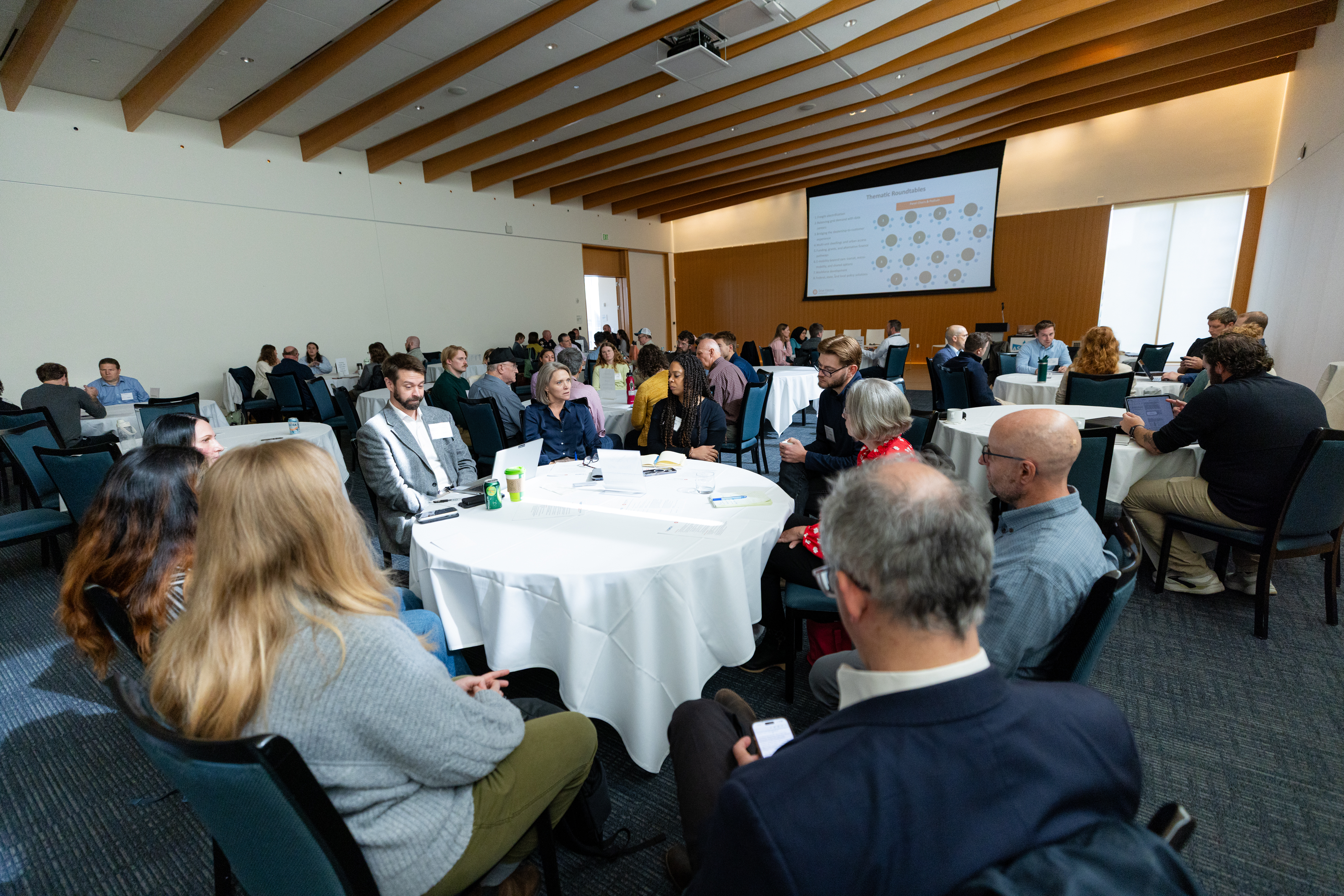
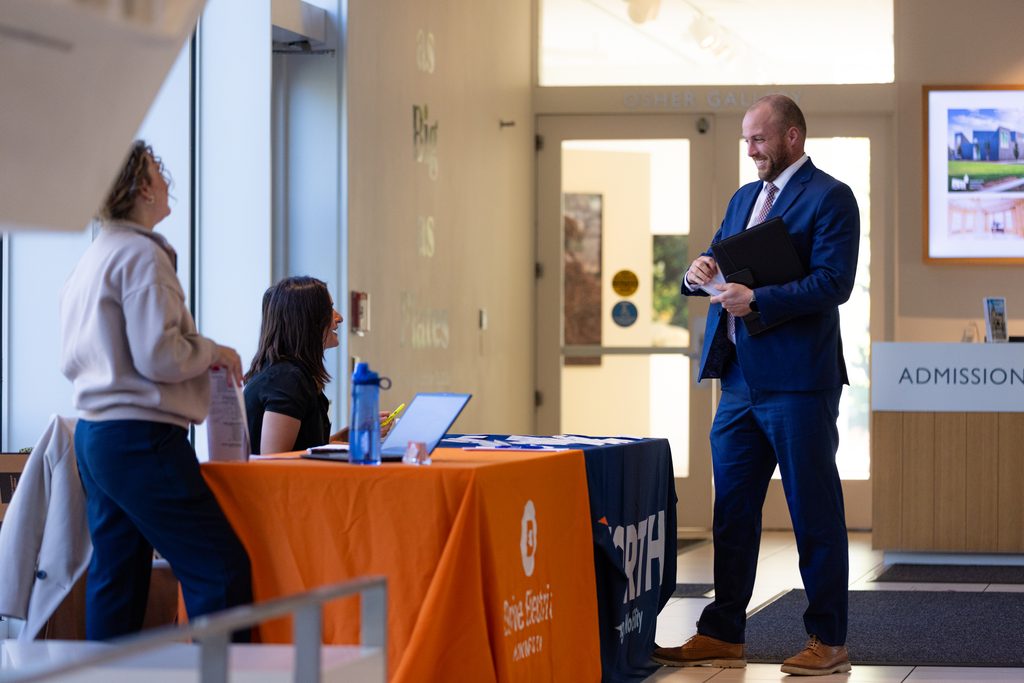
On October 5, 2026, industry leaders, policymakers, and transportation electrification advocates from across the Midwest gathered at the American Swedish Institute in Minneapolis for Powering Communities: Accelerating Affordable Electric Mobility in Minnesota and the Midwest. Co-hosted by Drive Electric Minnesota and Forth, the workshop brought together diverse perspectives to explore opportunities to make electric mobility more accessible and affordable for all.
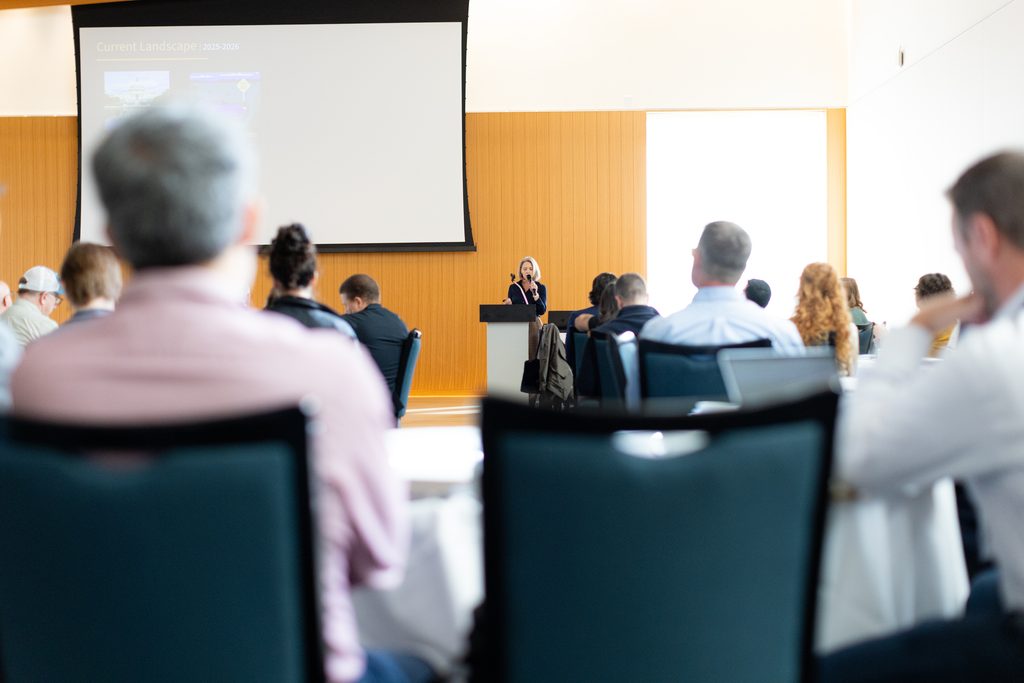
The event featured a keynote presentation, engaging panel discussions, networking opportunities, a vehicle display, and roundtable discussions on four key themes: transportation affordability, charging access in multifamily housing, workforce development, and sustainable transportation policy.
How it all started
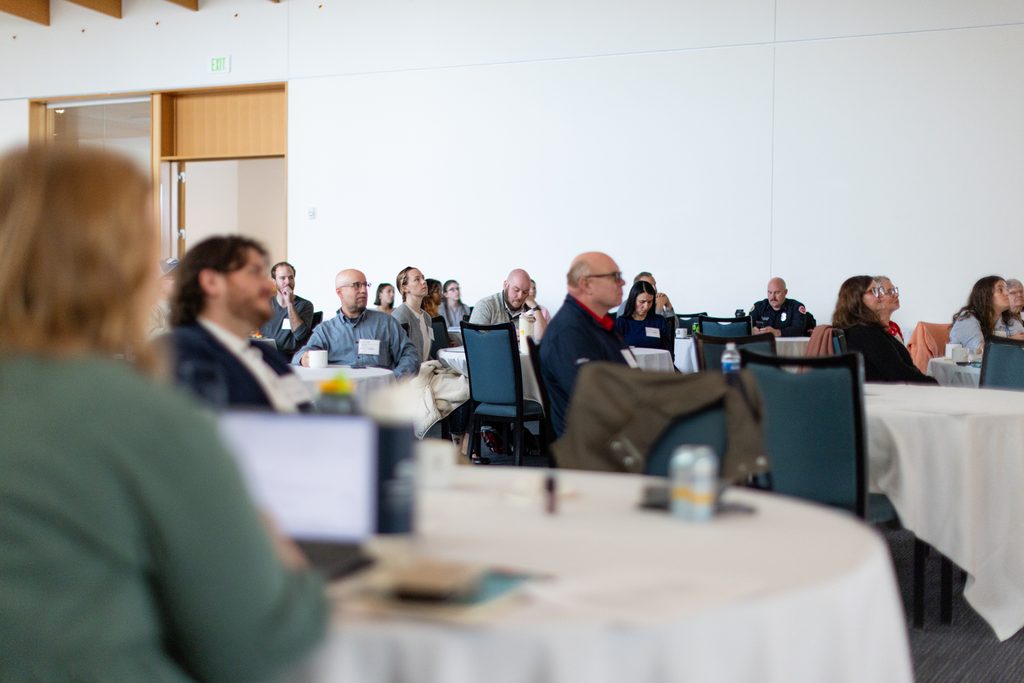
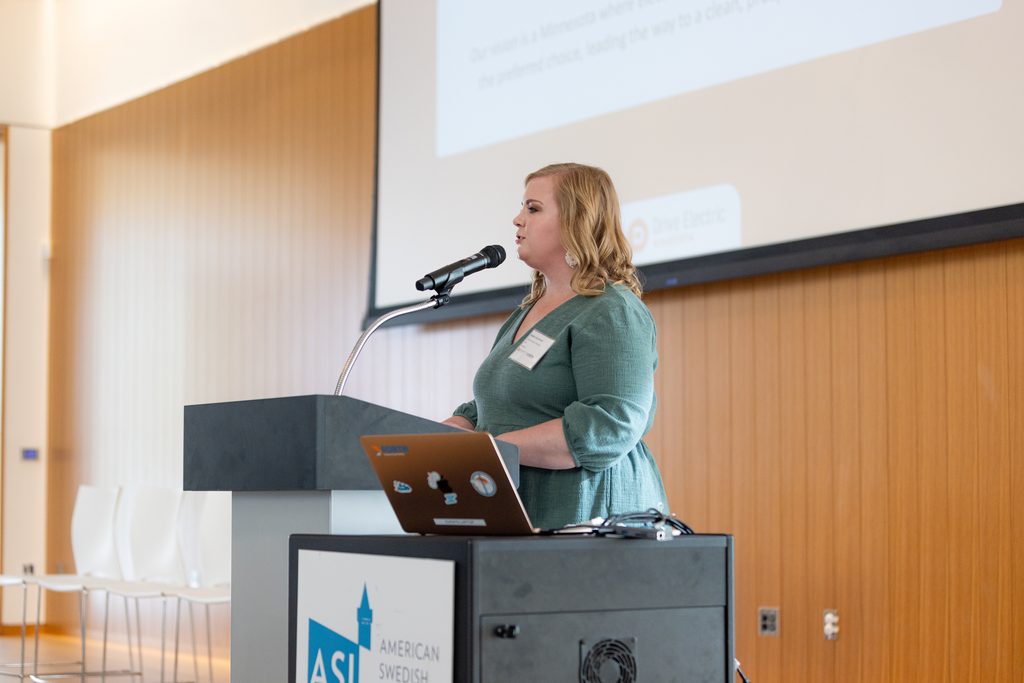
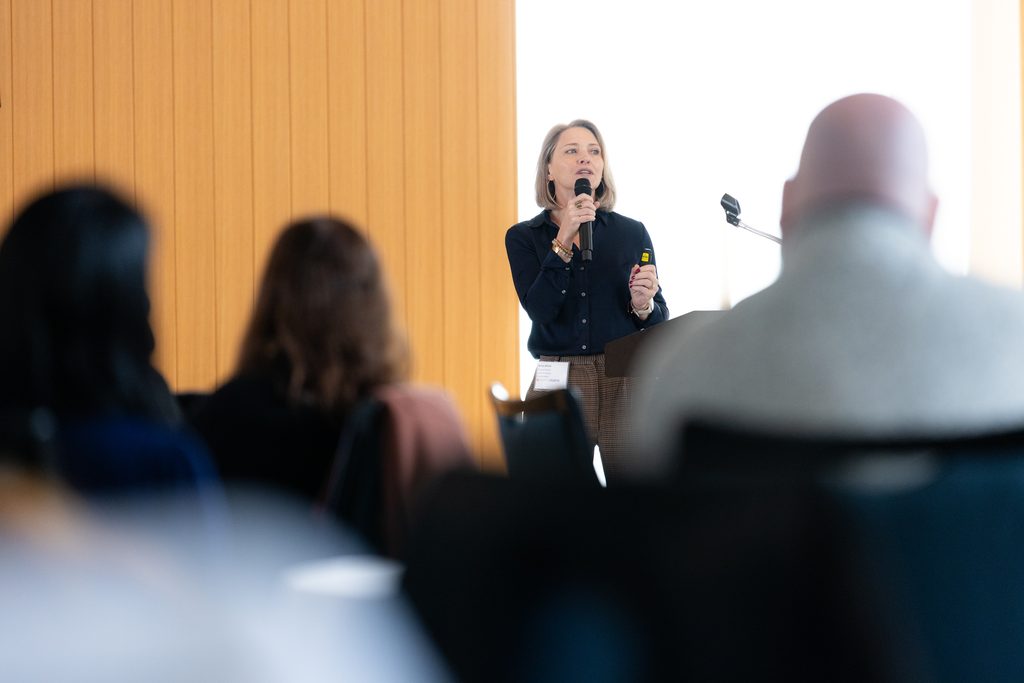
We started the day with a keynote presentation by Mollie Michel of Sunstone Strategies, who traced the evolution of electric vehicles (EVs) from their origins to the rapid growth of the modern EV market. She highlighted how federal investments and policies have accelerated EV adoption in recent years while acknowledging emerging policy challenges. Her presentation emphasized the important role that state and local leadership can play in sustaining the momentum behind transportation electrification.
Panel Discussions
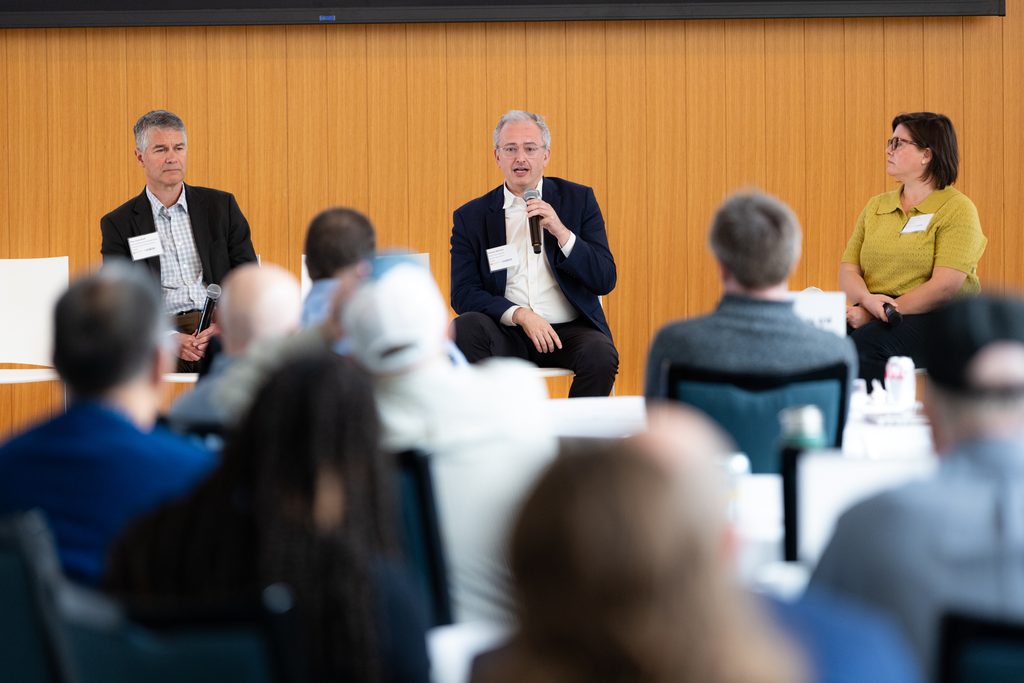
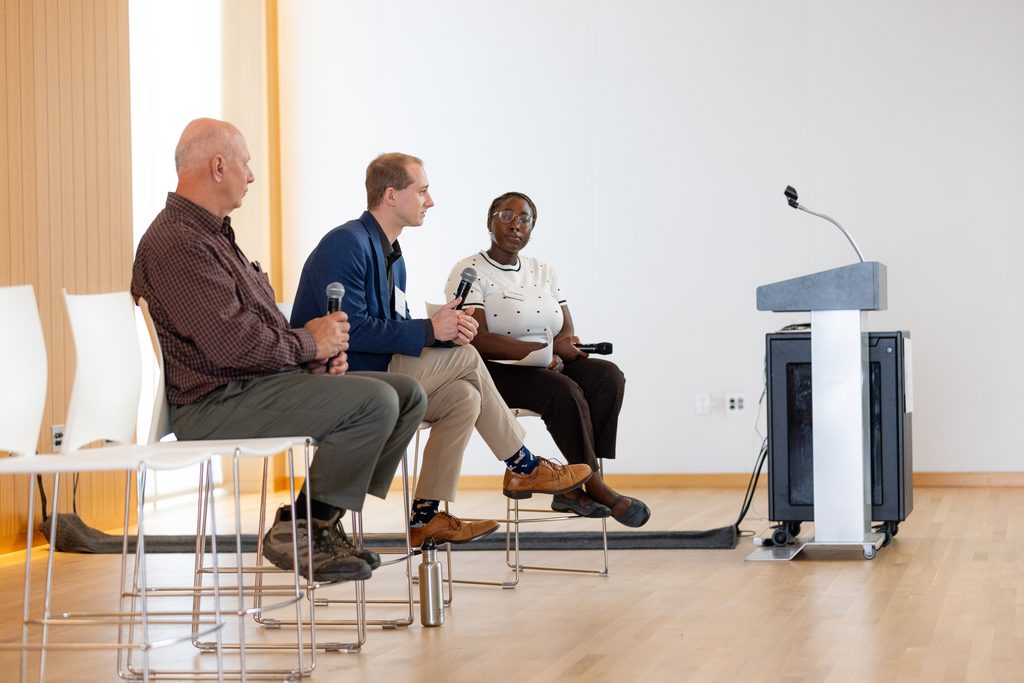
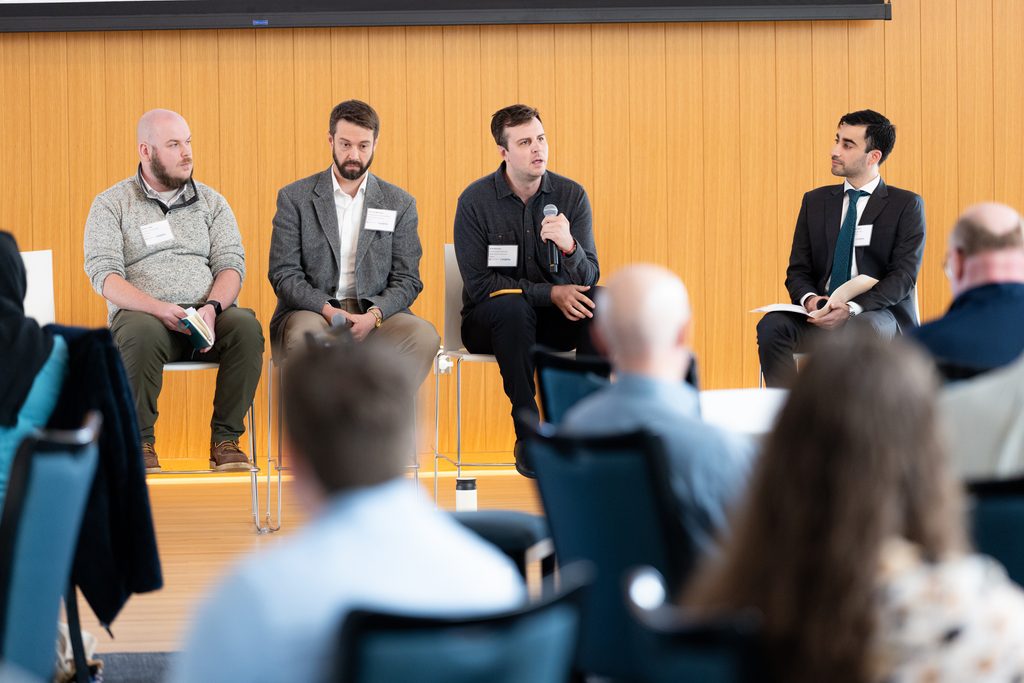
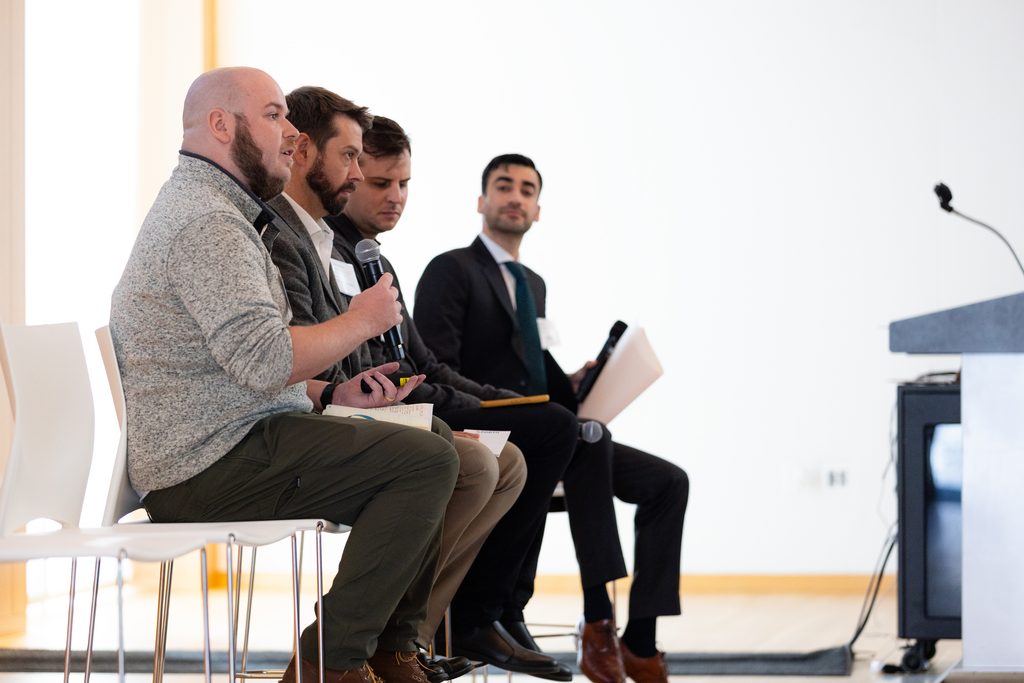
Moaz Mian of the Great Plains Institute moderated the opening panel, which brought together Gunnar Aas of HOURCAR, Erik Noonan of the Bicycle Alliance of Minnesota, and Patrick Mathwig of Dakota Electric Association to discuss strategies for making electric mobility more affordable. Panelists explored the role of electric carsharing, e-bikes, and utility programs in reducing transportation costs and expanding access. A key takeaway was that affordable mobility requires looking beyond personal vehicle ownership and investing in a wider range of transportation options that meet community needs.
We then shifted the conversation to expanding EV charging access in multifamily housing with the second panel, moderated by Forth’s Simbiat Yuseff-Mueller. Whit Jamieson of Forth and Dale Howey of Green Rock Apartments shared practical experiences and strategies for overcoming barriers to installing charging infrastructure at apartment buildings. Their discussion highlighted the importance of early engagement with property owners, creative approaches to cost management, and simplifying the installation process to make EV charging more accessible to renters.
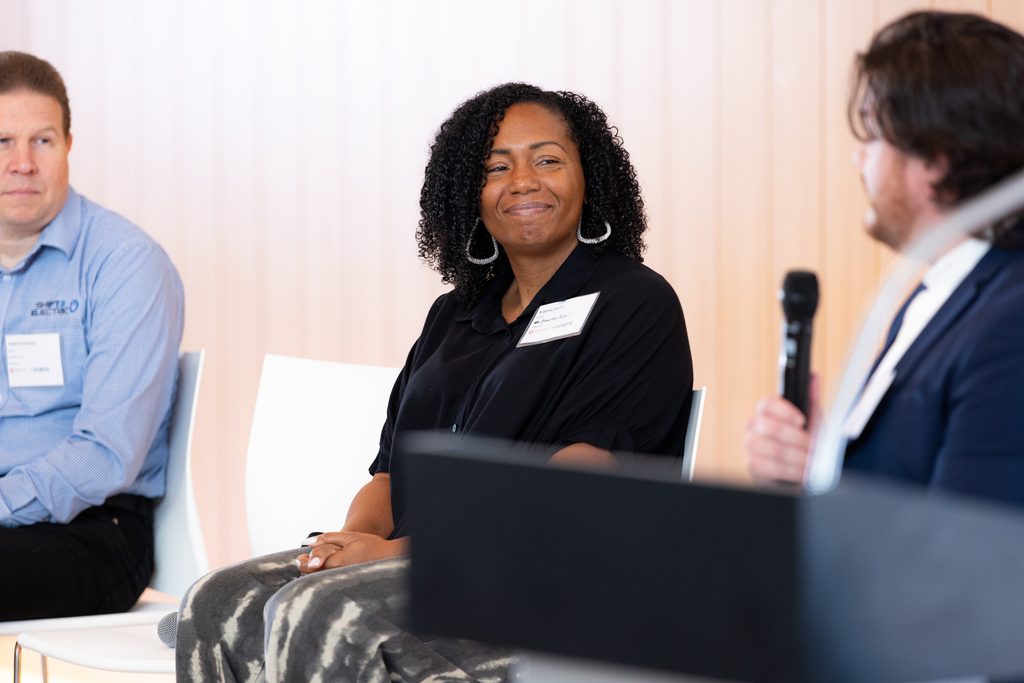
Workforce development was another important focus. Forth’s Jack McGrew guided panelists through a discussion about the growing demand for skilled workers in the EV industry, particularly in charger installation, maintenance, and diagnostics. Panelists Jukka Kukkonen of Shift2Electric and Kianna Scott of SmarterHelp emphasized the need for hands-on training, partnerships with employers, and career pathways that connect workers to emerging opportunities in the clean transportation economy.
We wrapped up the panel discussions with a fireside chat with Minnesota Representative Larry Kraft and Andrew Wishnia of Boundary Stone Partners, who examined the evolving state and federal transportation policy landscape. Moderated by Catalyst Mobility’s Alissa Burger, their conversation explored the future of federal infrastructure investments, sustainable transportation funding, EV registration fees, and opportunities for Minnesota to advance cleaner transportation. Both speakers underscored the importance of long-term policy planning and continued investment in transportation infrastructure.
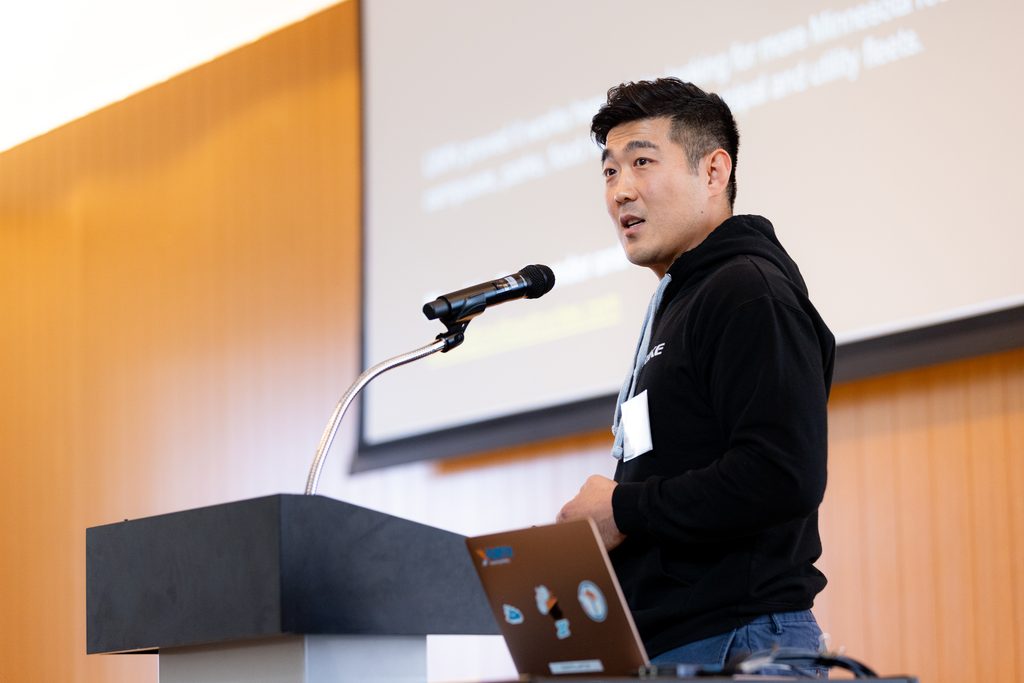
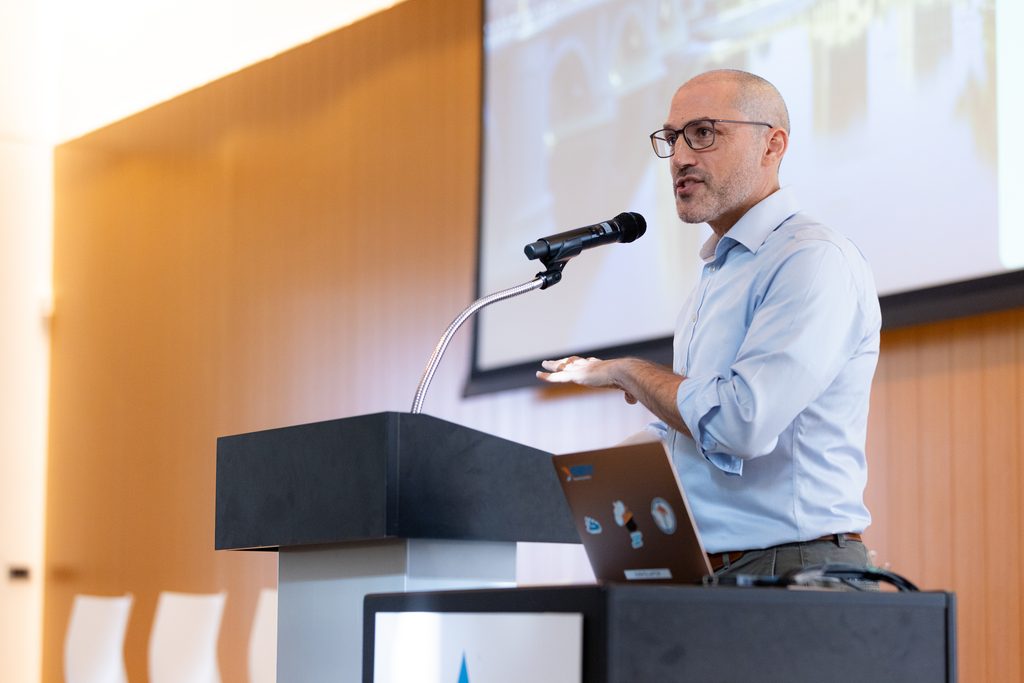
The panel discussions were followed by an Innovation Spotlight where Josh Cohen from SWTCH and Marc Liu from Civilized Cycles shared the groundbreaking transportation work their companies are doing.

Roundtables and Networking
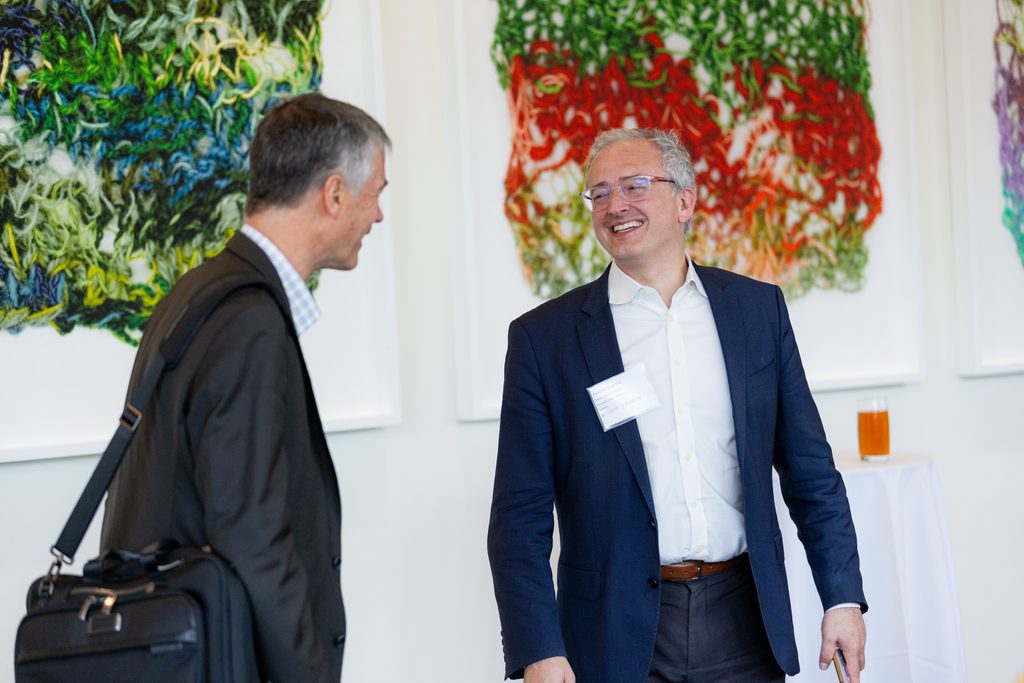
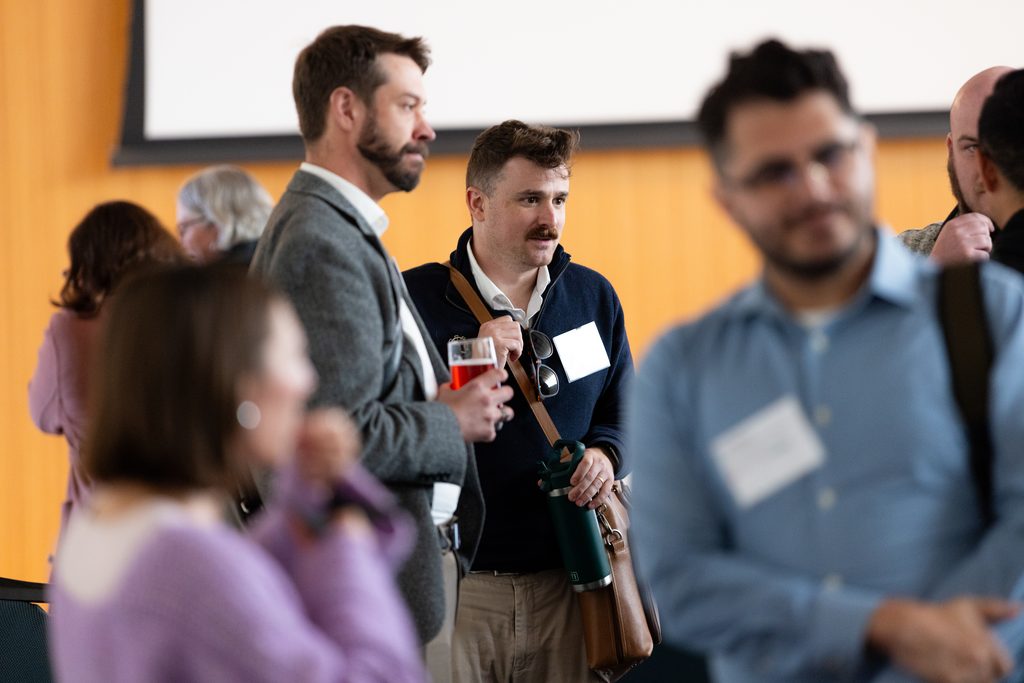
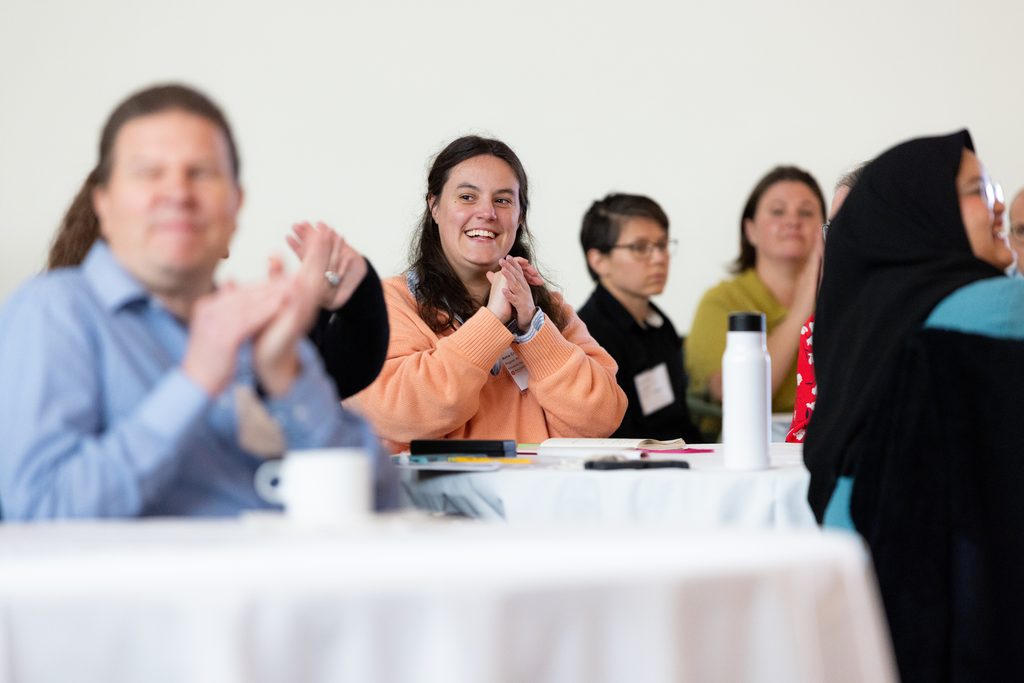
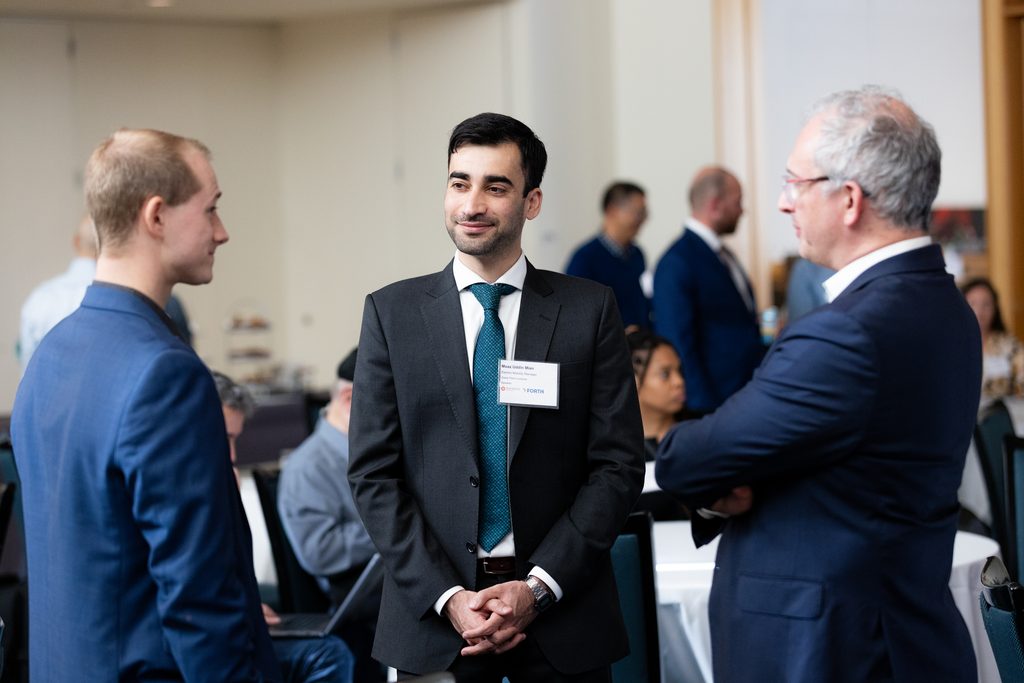
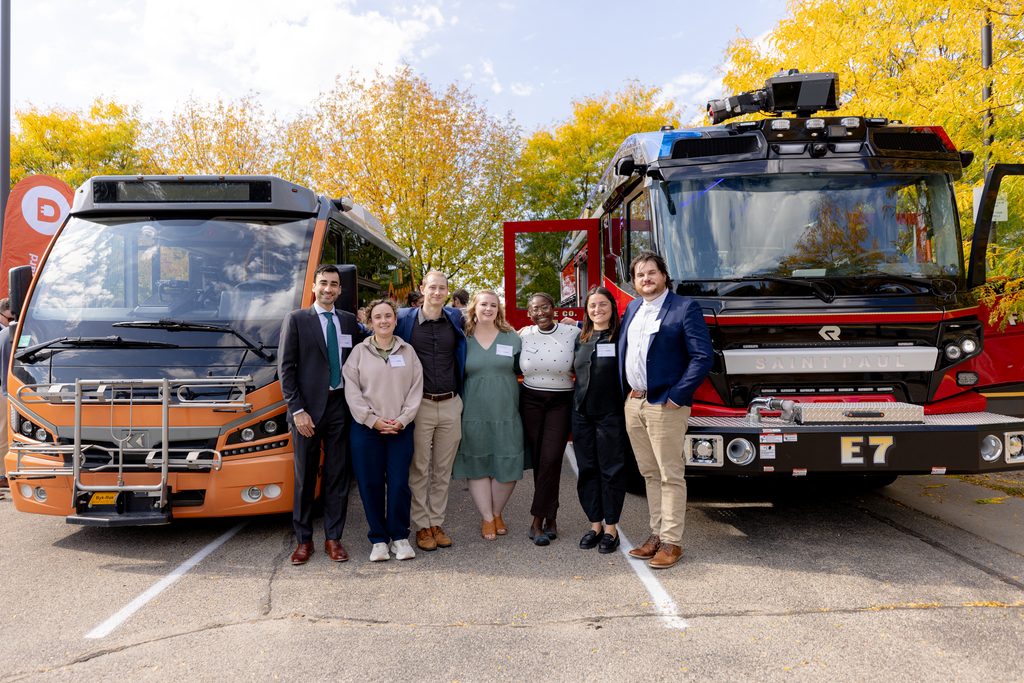
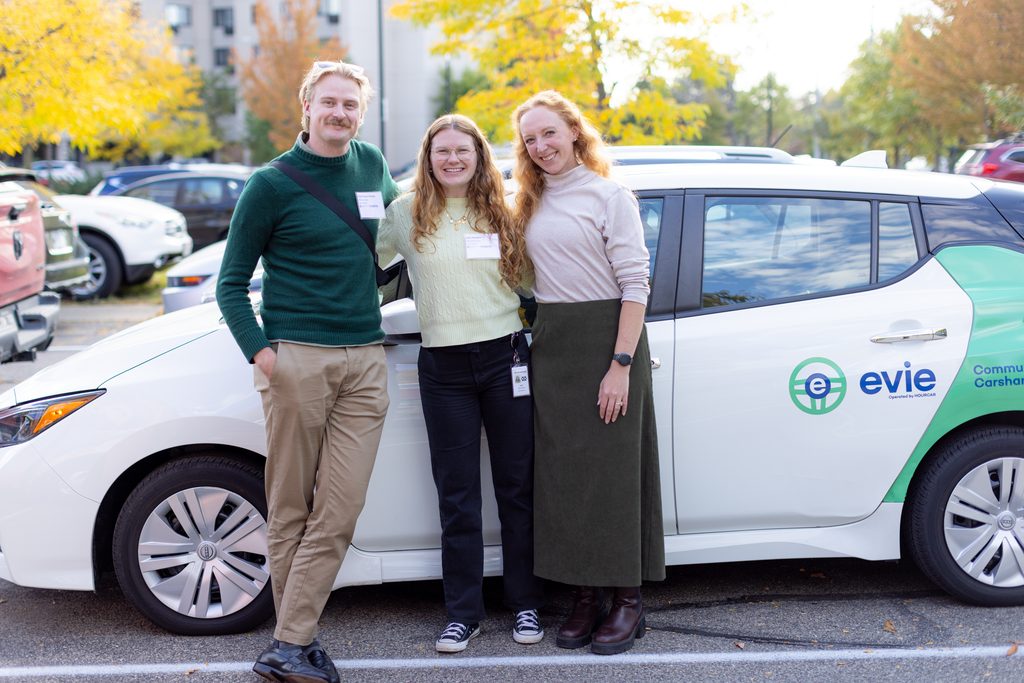
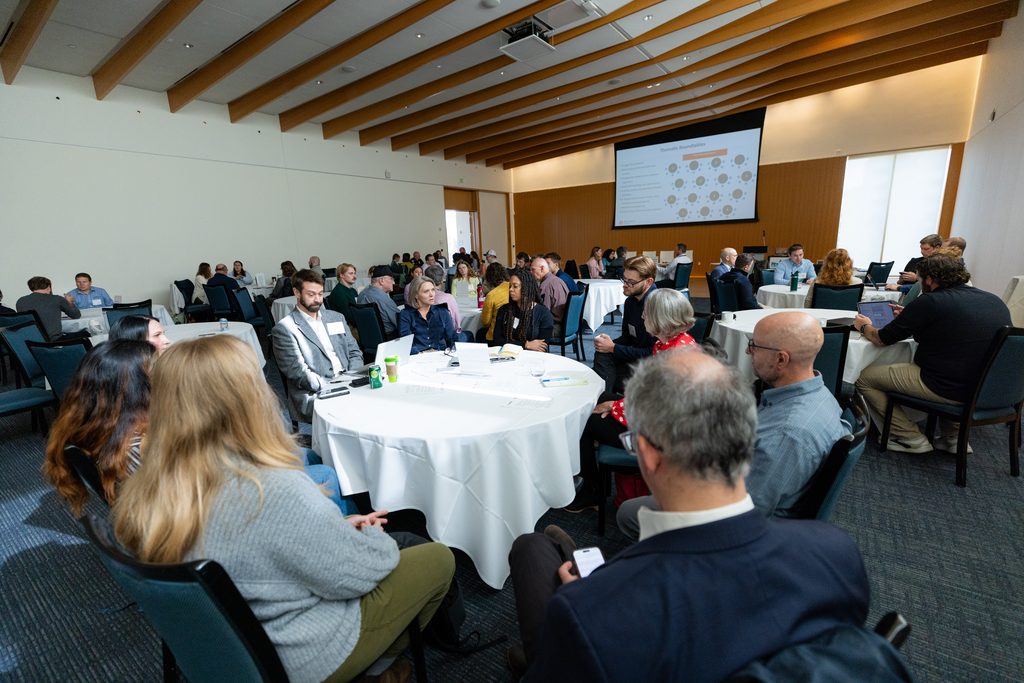
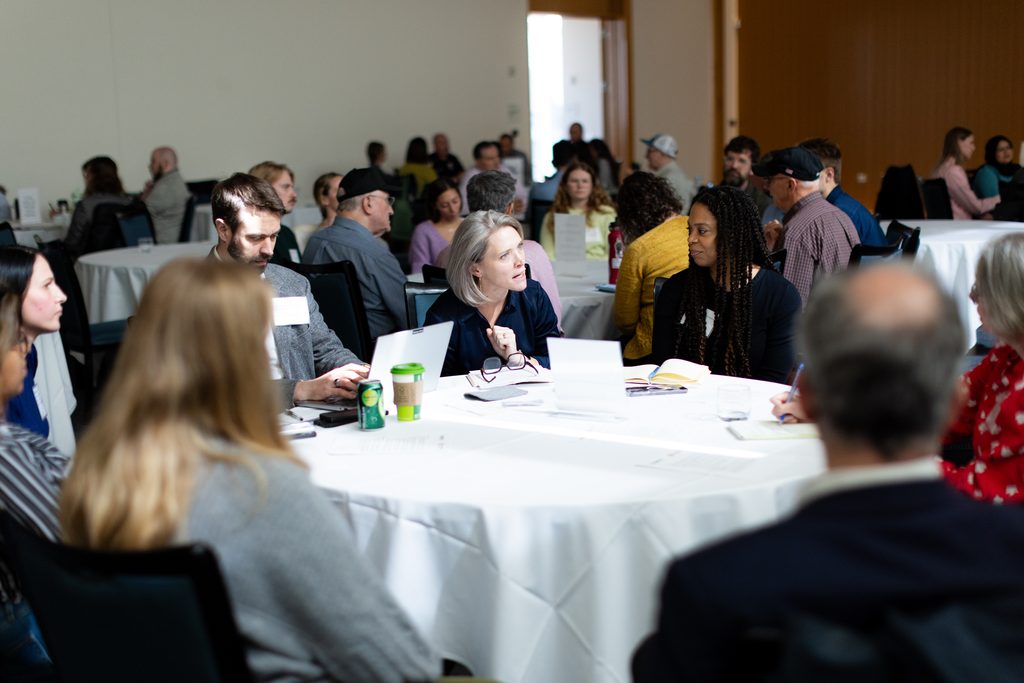
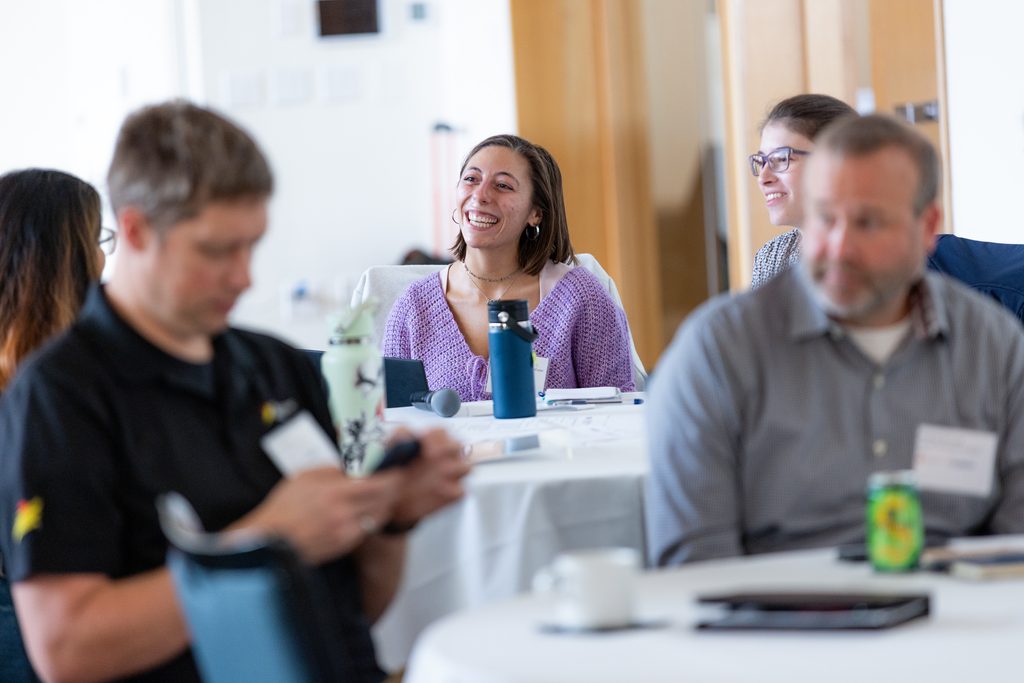
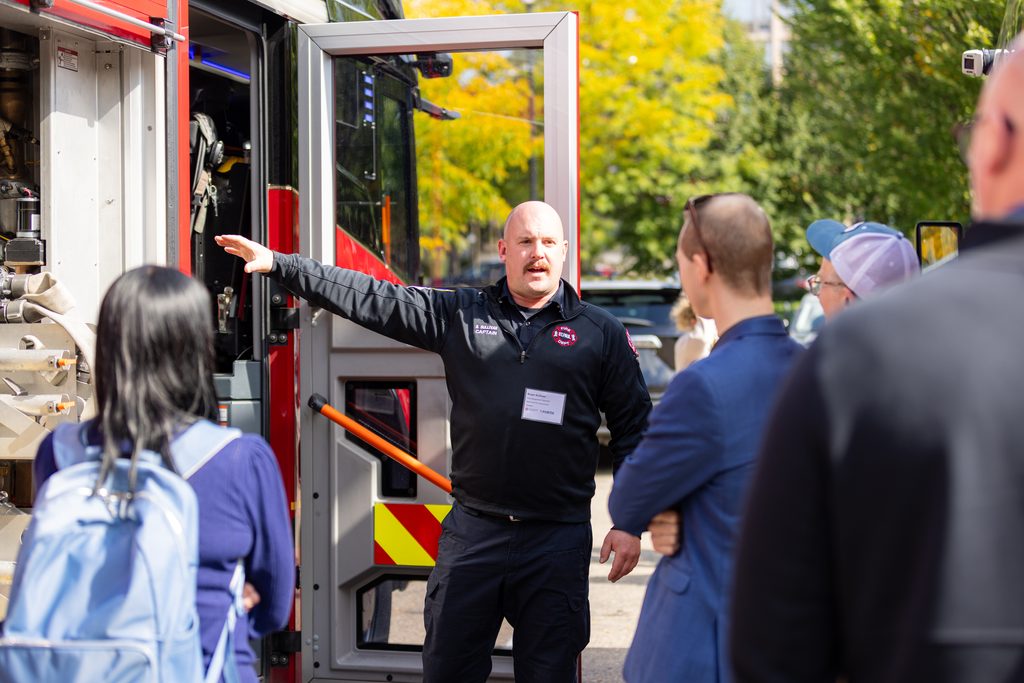
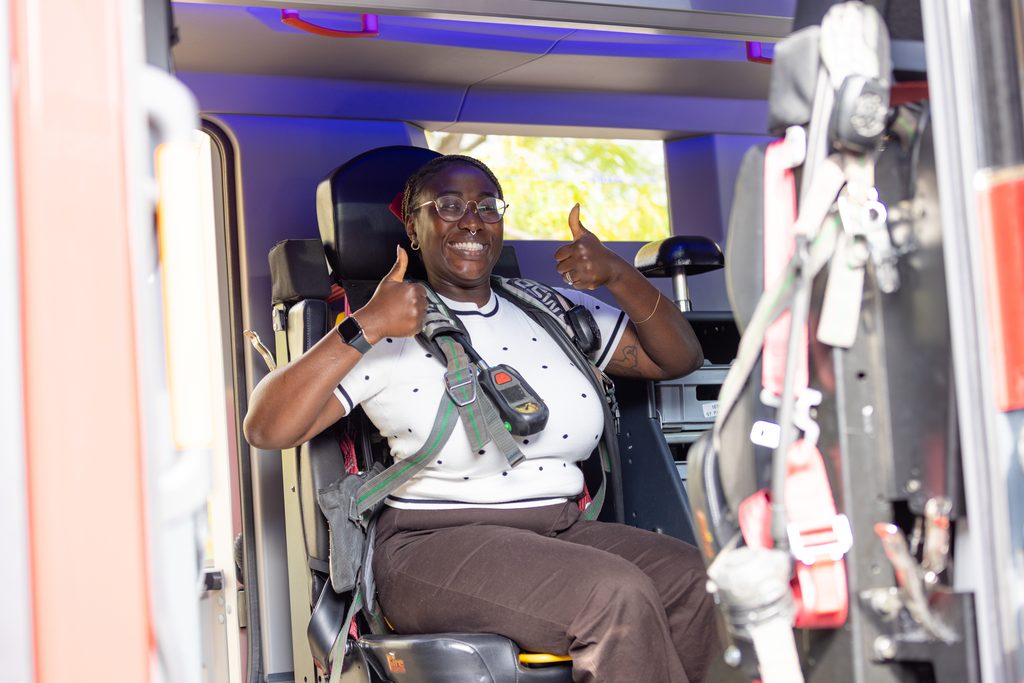
Throughout the day, attendees also participated in roundtable discussions to exchange ideas and identify opportunities for collaboration. The participants also got to interact with the City of St Paul’s electric firetruck, the Minnesota Valley Transit Authority’s e-JEST electric shuttle, and an HOURCAR Evie Nissan Leaf.
Participants expressed interest in continuing conversations on multifamily charging, innovative grid solutions, workforce development, and policies that support a more connected, multimodal transportation system.
Throughout the workshop, one message kept recurring: advancing affordable and accessible electric mobility requires cross-sector collaboration. Whether through innovative charging programs, expanded transportation options, workforce investments, or supportive state and local policies, communities across Minnesota and the Midwest play an important role in shaping a cleaner, more accessible transportation future.
Thank you to our partners at Forth, our speakers, and everyone who joined us for a day of thoughtful conversations and shared learning. We look forward to building on these discussions and continuing our collective work to make electric mobility more affordable, accessible, and convenient for everyone.
Join Drive Electric Minnesota to be part of the effort!